SaaS Factory · 3 min read
Two organisations can give the same people the same AI and get very different returns. What Anthropic's revenue ladder taught me about access, trust and changing my own behaviour.
 By Glyn Trott, — SaaS Factory CEO
Anthropic has published a guide on building an AI native revenue organisation. One idea in it stopped me.
Two organisations can give the same number of people the same AI and get completely different returns.
The return doesn't grow with the number of seats. It grows with the access and trust you give the AI.
The guide sets out a ladder. Most organisations start at the bottom.
Each rung needs more access to your systems and more trust in the work. Each rung pays back more.
I've now seen this story play out three ways. Same thing paid for. Very different outcomes.
Two letting agents pay for the same property software. Agent A uses it as a diary and a rent ledger. Agent B connects the property portals, the bank feeds and WhatsApp, and lets it chase arrears and send landlord statements.
Agent B runs a bigger business on the same software. Agent A thinks the software doesn't do much.
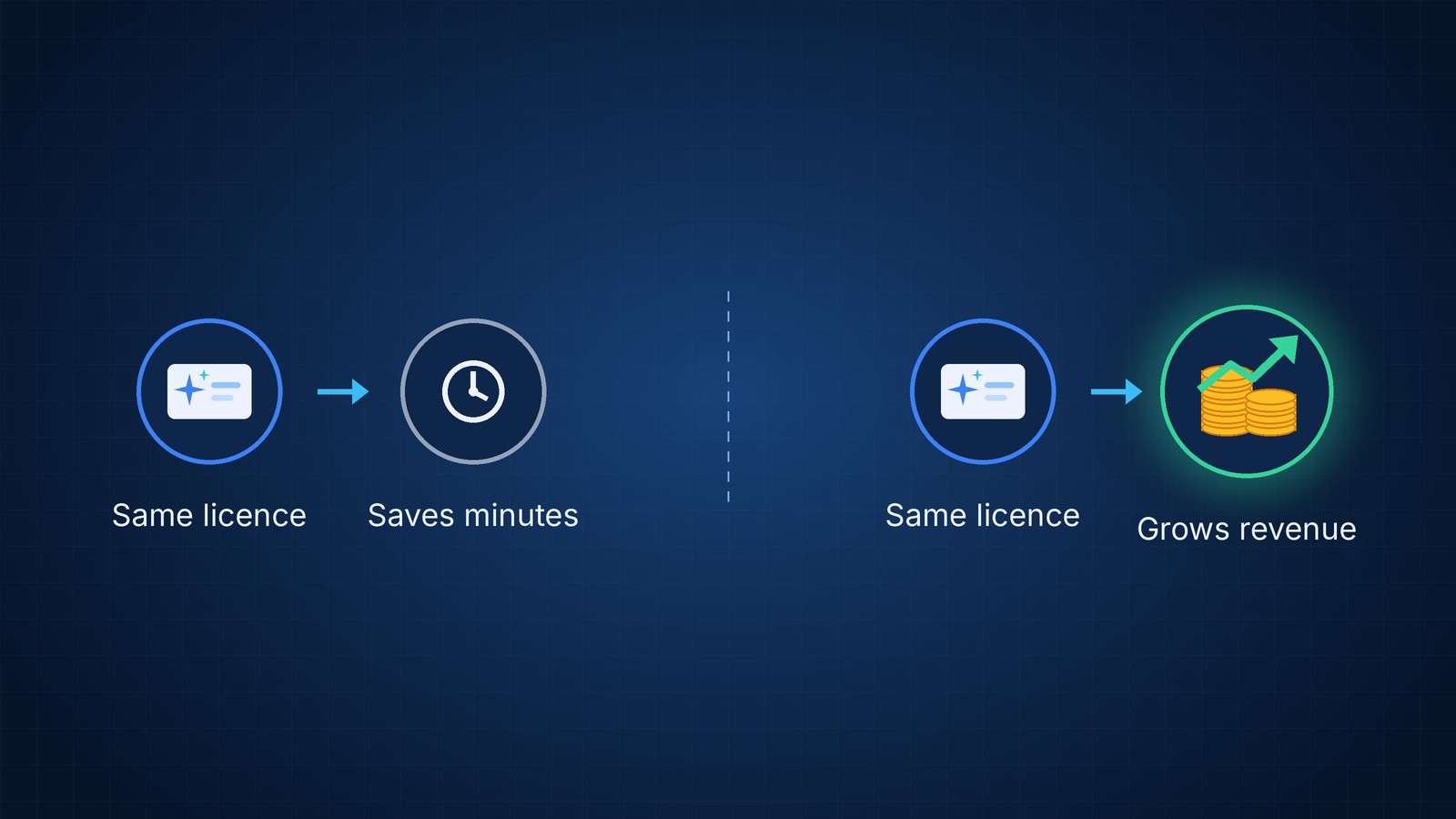
In over twenty years at agentOS, I watched this happen again and again. Same licence. Very different returns.
Two people have the same Claude seat. One uses it to rewrite emails. Dylan, our CTO, uses it to build and ship software products.
One saves a few minutes a day. The other changes what the business can sell.
Two companies use the same AI. One vibe codes an app. The other launches a company around it, with billing, growth and paying customers.
Speed to code against speed to revenue.
The guide makes another point every leader should hear. If you build the case for AI on hours saved, the value tops out at what those hours cost you.
The bigger returns come from more output from the same team, and from new work that never happened before. One of Anthropic's own sales leaders has every account in a 4,000 account book scored overnight. Cox Communications reported a 7x return in its first year, with lead accuracy rising from 18% to 97%.
I was on rung 1 for longer than I'd like to admit. One question to Claude, one answer, next question.
Launching a product used to mean weeks of work. Every platform wants an account, a logo, a description and a link back. None of it is hard. All of it is slow.
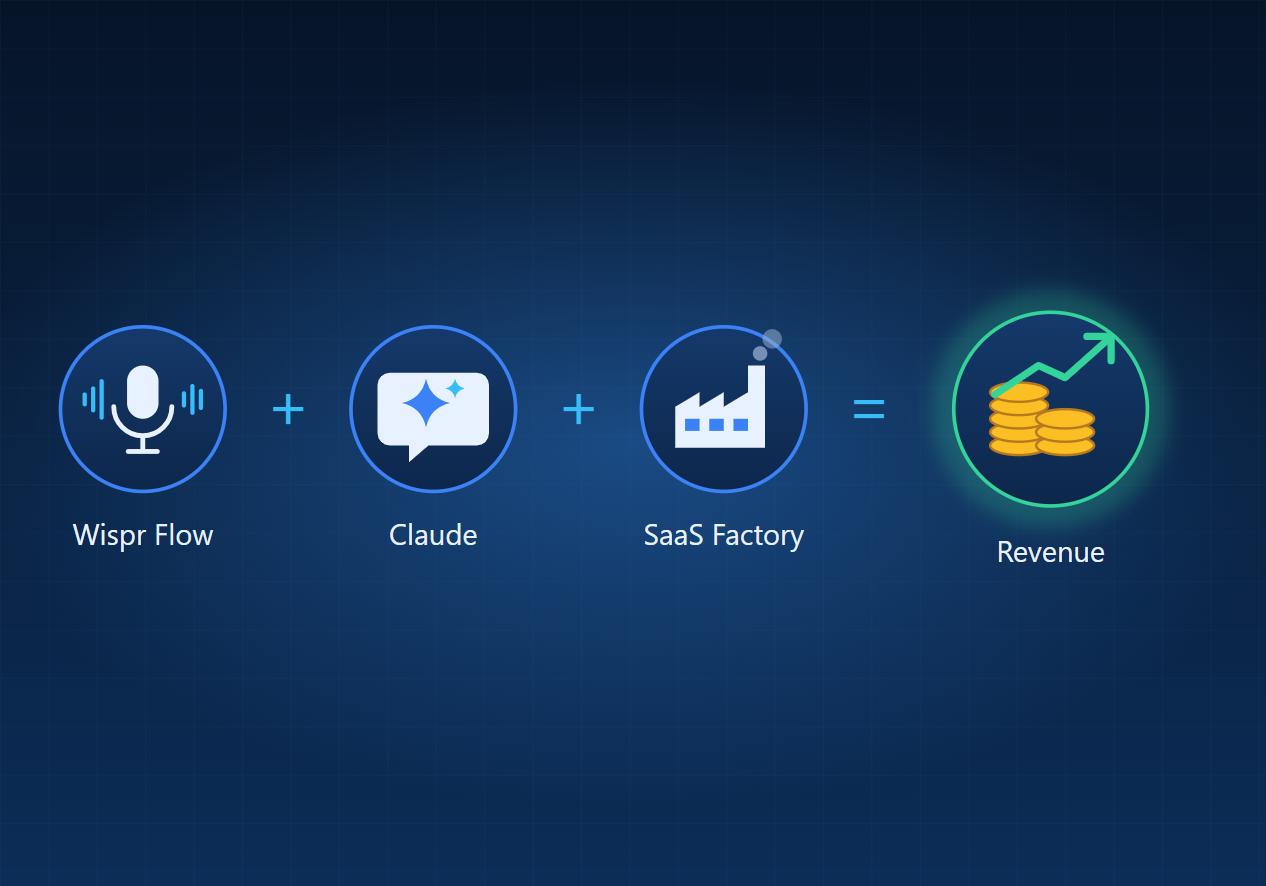
Now I have a five minute go to market chat with Claude, talking it through with Wispr Flow, a voice dictation app. I give it the product and the goal. Within the hour it has delivered weeks of work: registrations, listings, launch pages, videos and posts. I check the results and make the calls.
Same Claude licence. Very different returns.
That's the ladder in practice. A skill that runs a launch is rung 2. When it runs every launch against Days to Revenue, it becomes rung 3. That's where we're heading.
Most AI audits and surveys ask one question. What level is your team at with AI coding?
Fair question. But few ask the one that pays the bills. What level is your organisation at with AI revenue generation?
Ask it of every team that touches revenue: sales, marketing, customer success and support. Then ask what access and trust it would take to move each one up a rung.
Not hours saved. A week of output, every day.
If you're happy measuring AI by the minutes it saves, crack on. We're not for you.
Glyn Trott founded agentOS in 2004 and sold it to Volaris in 2024. He continues to be CEO of agentOS Proptech Group, part of the Volaris group, and cofounder of SaaS Factory with Dylan Davies, CTO. Glyn lives in Wales and is big into CrossFit. Dylan lives in New Zealand and adores red wine.
More from SaaS Factory
5 min read
Rory Sutherland says really big ideas need a lot of marketing, because they ask people to change their behaviour. Ours is connecting Claude to SaaS Factory, giving it the goal and saying go. Even I resisted it.
9 min read
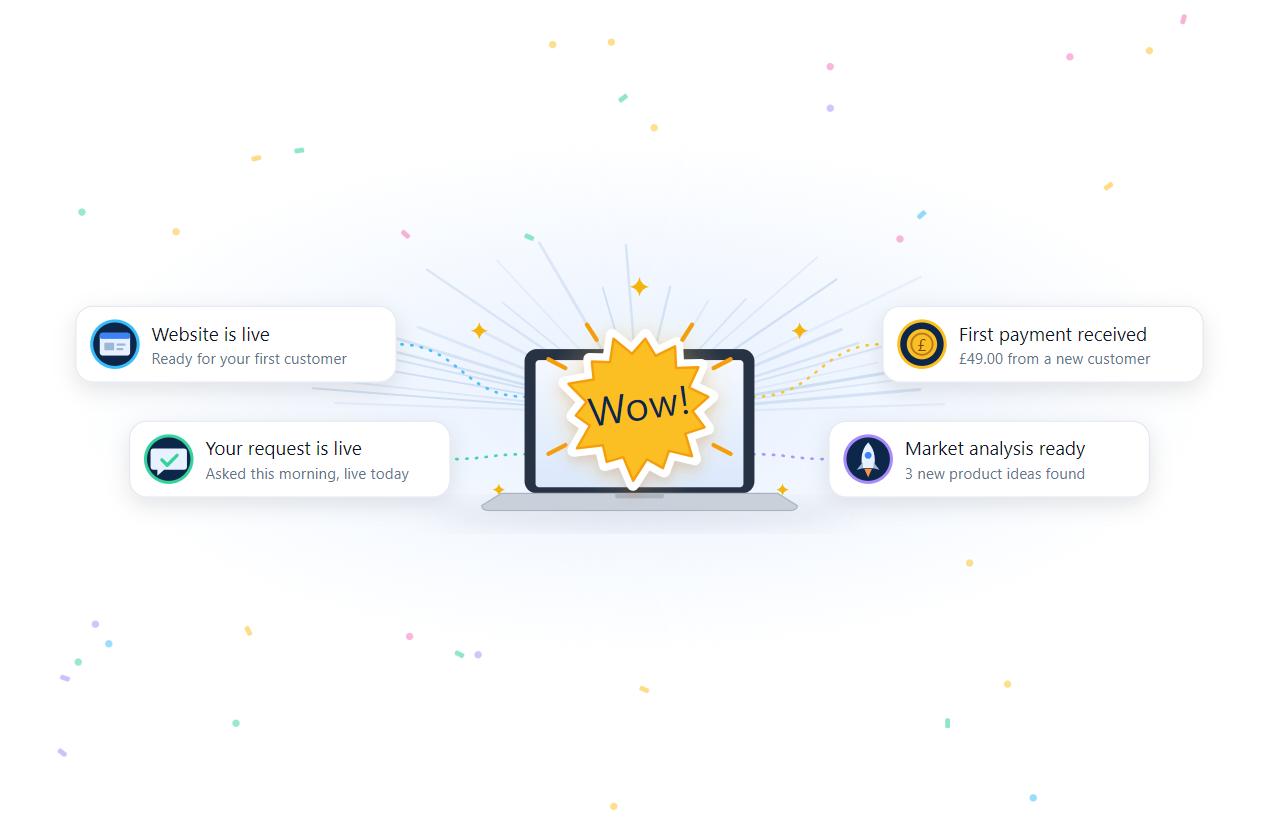
I have spent nearly thirty years building SaaS businesses. Over the years you get moments when your eyes light up when a new breakthrough, feature or technology comes online. SaaS Factory is giving me more of these moments every week, and these are 10, their first use stories, and why they matter.
7 min read
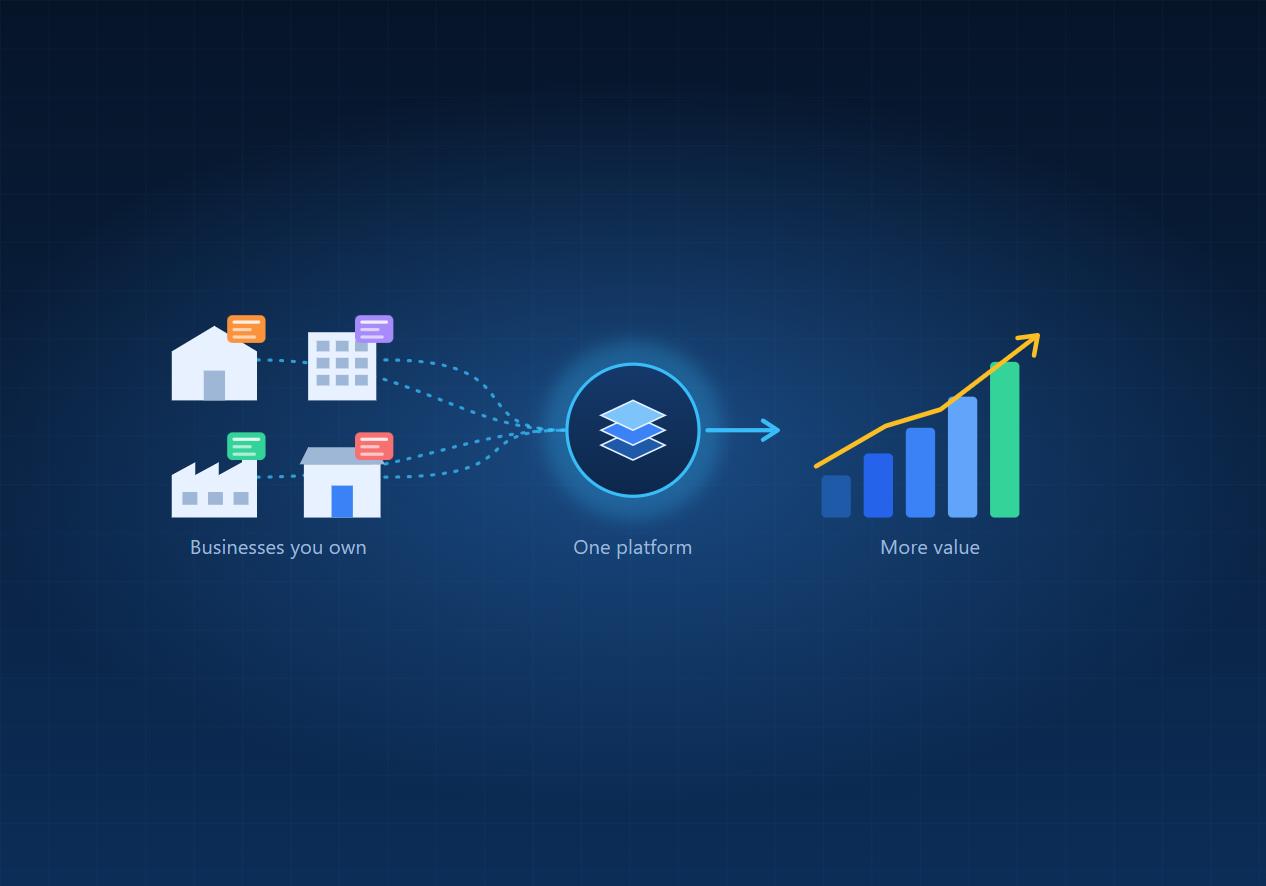
How a private equity legacy portfolio can become an AI era exit at a higher multiple
