SaaS Factory · 5 min read
Rory Sutherland says really big ideas need a lot of marketing, because they ask people to change their behaviour. Ours is connecting Claude to SaaS Factory, giving it the goal and saying go. Even I resisted it.
 By Glyn Trott, — SaaS Factory CEO
I believed for a long time that a really good idea sells itself.
Build something people need, put it in front of them, and they'll get it. Most founders believe that. I certainly did.
Then I came across a short clip of Rory Sutherland. He said he used to believe it too. Then he realised he had it the wrong way round.
His line has been going round my head ever since.
Here's why it stuck.
A small idea fits into what people already do. A cheaper version. A quicker way. A better button. Nobody has to change anything, so it needs very little selling.
A really big idea asks people to change their behaviour. Stop doing the thing they have always done, and do something new. That's where it gets hard.
Rory's point is that the resistance isn't about whether the idea works. The idea can work perfectly from day one. The resistance is psychological. It feels wrong, it feels risky, it feels like cheating. So people hold on to what they know.
Which means the bigger the idea, the more marketing it needs, not less. Not to prove it works. To help people change their minds.
That flips how most of us think about marketing. We think marketing is for average products that need a push. Rory is saying the opposite. The truly big ideas need it most.
His example is the smallpox vaccine.
Edward Jenner was a country doctor in Berkeley, Gloucestershire, just across the Severn from where I live. In 1796 he proved a mild dose of cowpox protected people from smallpox.
Rory calls it probably the best idea anyone has ever had. It still took around 50 years to be accepted. Psychological, institutional and religious resistance, all the way.
The idea worked from day one. The behaviour change took half a century.
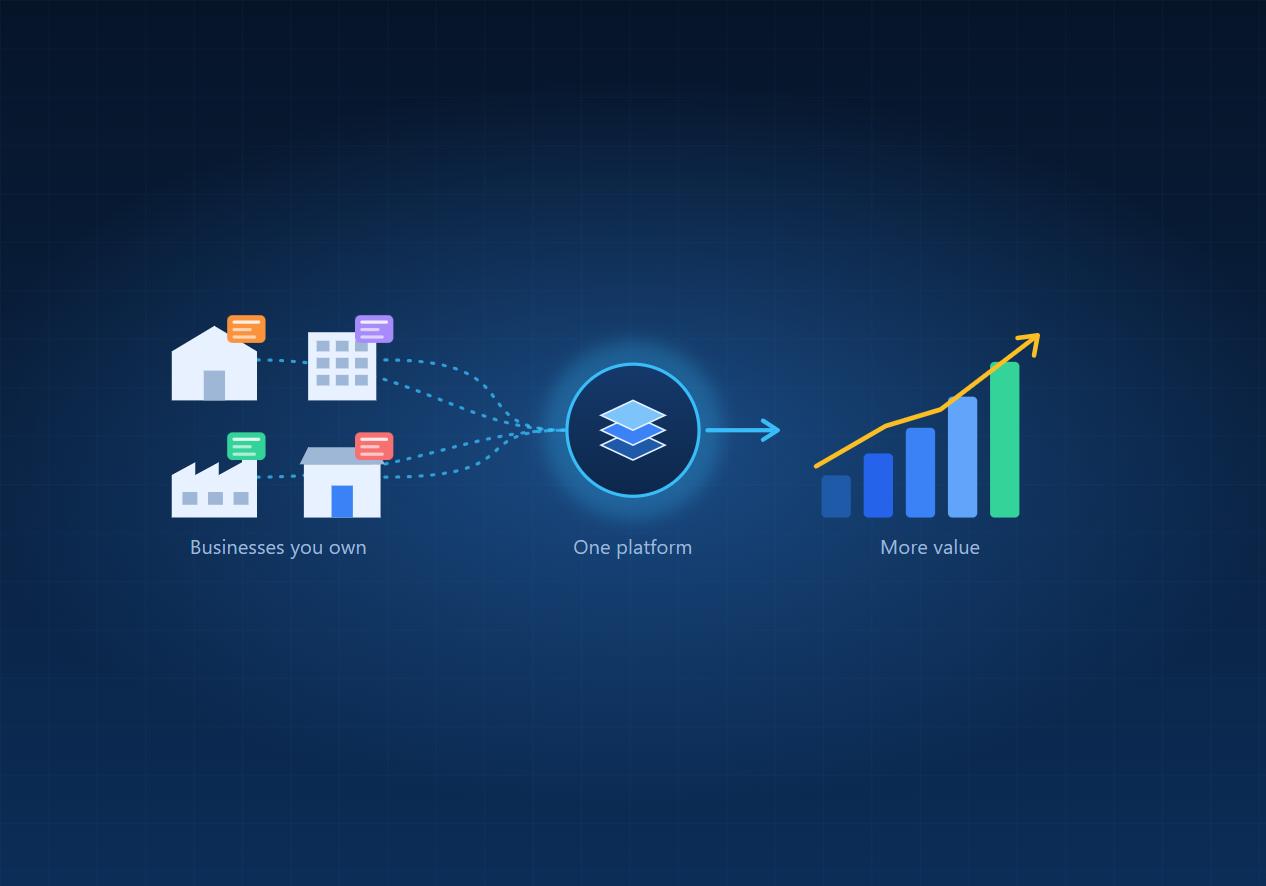
SaaS Factory's big idea is this. One mission statement in. A revenue generating SaaS company out.
Not just the app. The entire company around it. Product, tech stack, business stack, website, payments, growth, customer success, compliance and launch. Then it keeps improving long after launch.
That's big. But there's a bigger idea sitting inside it, and it needs the biggest behaviour change of all.
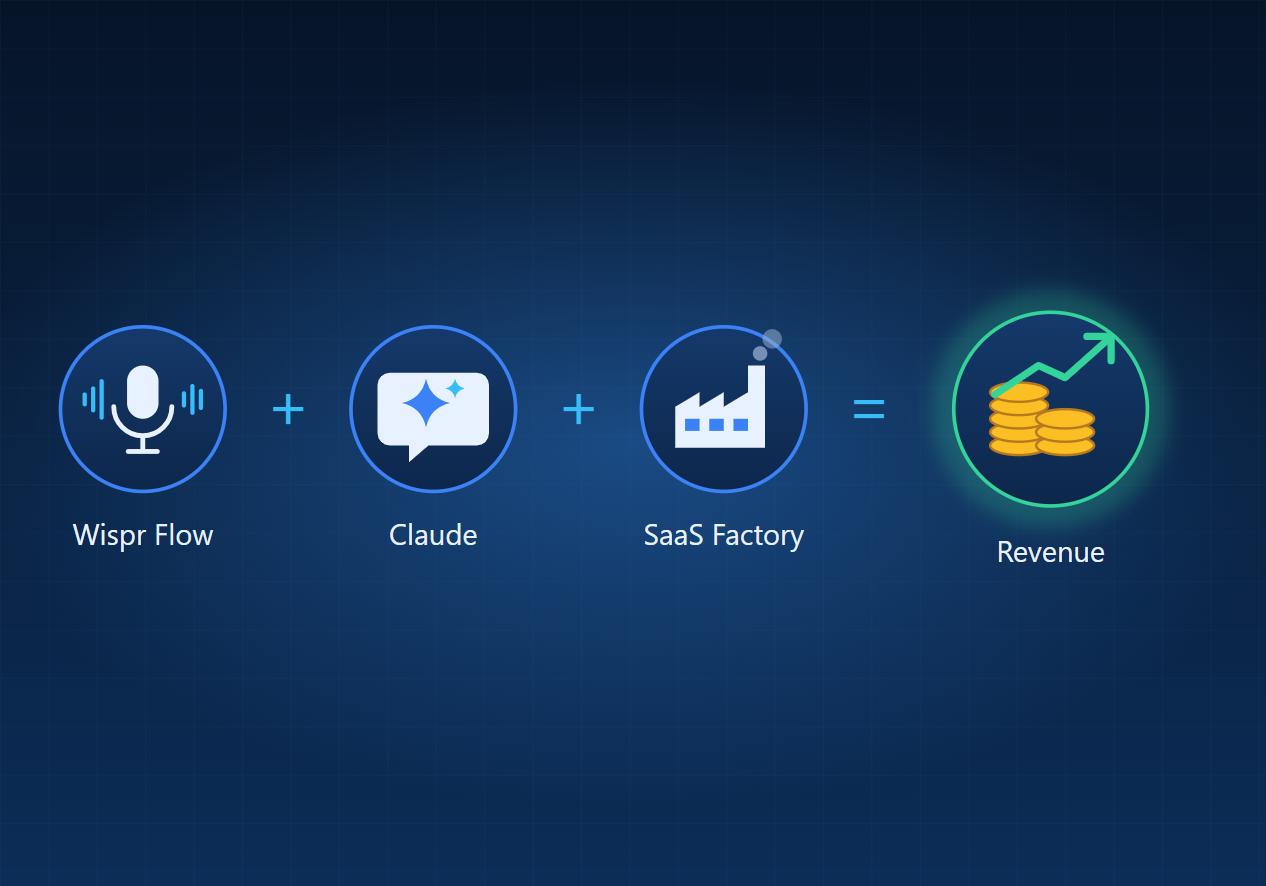
You don't need to drive SaaS Factory. Connect Claude to SaaS Factory, tell it your big idea, and say go.
No navigating. No clicking through screens. No working out which setting sits where. Just the goal, and go.
Here's my confession.
I built SaaS Factory with Dylan, and I still spent my time clicking around it.
I was clicking to understand what each tool did. I was checking it was working. I was driving the software to get the most out of it. Every screen, every setting, one thing at a time.
That was my Jenner moment. The person who built it was resisting the behaviour change it was built for.
What changed was the SaaS Factory connector for Claude.
At first, Claude didn't know what SaaS Factory could and couldn't do. So we taught it. What each part does, what it should do, and what it takes to get to speed to revenue.
That's when I realised the clicking wasn't wasted. Clicking to learn is how we knew what to teach it.
So the behaviour change isn't stop clicking. It's click to learn, then say go.
The second behaviour change took me longer to see.
For as long as I've been building SaaS, software has trained us to do one thing at a time. One screen, one form, one button, then the next.
So when I first started using Claude with SaaS Factory, I did the same. One task, wait, next task.
That's the wrong way to use it.
Don't think sequential tasking. Give it one big goal and everything you want done, a dozen things in one go. Then let it run. Let it ask you questions. Let it work in the background while you get on with something else.
Letting it run doesn't mean losing control.
Claude asks before anything that matters. It came back to me before pushing a release to a live website, and only went ahead when I said "kick that off".
You set the goal and make the calls. It does the driving.
UKBankConnect.co.uk is one of our newest SaaS Factory products. It's built. Now people need to find it, whether they search on Google and Bing or ask their AI.
Old me would have done it one thing at a time. Register with Google. Verify the site. Submit the sitemap. Then Bing. Then the AI listings. Then the website changes. Setups, logins, waiting, going back. Probably 2 to 3 days.
Instead, I said one thing to Claude.
Then we worked through it together, with Claude driving the browser using Claude in Chrome.
I didn't open Google or Bing once. I just told it to crack on.
2 to 3 days of clicking became one session.
We've written about this before. Number 9 in my 10 SaaS Factory features article was the Claude SaaS Factory connector. Dylan wrote The Grand Orchestration about agents running the whole factory.
Both are true. And I still kept clicking.
Rory wouldn't be surprised. A really big idea doesn't land the first time you say it, or the second. Jenner kept making the case for the rest of his life.
So this is the third time of asking. It won't be the last.
Connect Claude to SaaS Factory. Tell it your big idea. Then say go.
If you love clicking through every screen and stitching it all together yourself, crack on. We're not for you.
Glyn Trott founded agentOS in 2004 and sold it to Volaris in 2024. He continues to be CEO of agentOS Proptech Group, part of the Volaris group, and cofounder of SaaS Factory with Dylan Davies, CTO. Glyn lives in Wales and is big into CrossFit. Dylan lives in New Zealand and adores red wine.